Assistance dogs are not just for blind or visually impaired people. Today, these dogs help people with a range of conditions enjoy full lives. Guide Dogs Guide dogs, also known as Seeing Eye dogs, help blind and visually impaired people live independent lives. These dogs "see" for their owners and
Read more
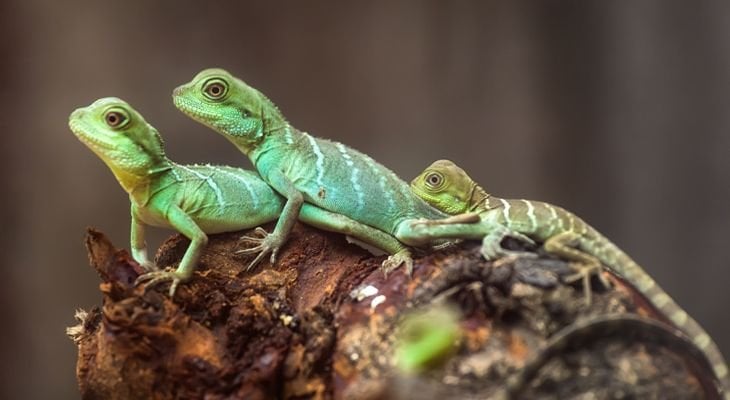
People with limited living quarters may find that reptiles such as lizards or turtles fit perfectly into their lifestyles. Before deciding on a reptile, learn as much as possible about them and their needs. Poisonous snakes and certain reptiles should never be kept as pets. Ask your veterinarian about the suitability of a particular animal before you make your decision. There are many things to consider before committing to a reptile as a pet.
Finding out if a Pet is Legal Where You Live
Many areas have enacted laws pertaining to keeping reptiles. Some are general and some are quite specific; in many places any reptiles that are considered dangerous (venomous snakes, alligators, etc.) are illegal but some places are even more restrictive (for example, in some states all constricting snakes including ball pythons are illegal).
Salmonella Risks and Prevention
All reptile owners need to be informed about Salmonella infections. While the risks shouldn't keep most people from keeping reptiles since with the proper management the risks are minimal. Still, owners should be aware of the risks, and the US Centers for Disease Control recommends that certain risk groups should be careful about contact with reptiles and amphibians.
The Importance of Light and Heat
Many problems with keeping reptiles can be traced back to not providing the proper environmental conditions, particularly heat. Proper lighting is also important for many reptiles. The equipment to provide the proper heat and light to captive reptiles is often quite expensive, but is absolutely essential to keeping pet reptiles healthy. It is important to find out exactly what conditions your reptile needs and never cut corners when it comes to meeting those conditions!
Why Choose Captive Bred Reptiles
There are numerous reasons why you should pick a captive bred reptile if at all possible, as explained here.
How to Pick a Healthy Reptile
It is important to keep in mind that depending on where you get a reptile, it may be very stressed, dehydrated, and prone to illness. Here are some items to look for when buying your reptile to increase the chances of picking out a healthy pet reptile.
While there are many types of reptiles that could be good pets, here we cover a few you could consider.
-
Assistance Dogs Offer Many Benefits
Category: Newsletter Library, Newsletter Archive, Unbelievable Pets
-
Can Pets Sense Pregnancy?
Category: Newsletter Library, Newsletter Archive, Unbelievable Pets
Your pets probably don't understand that in nine months a new baby will be joining your family, but dogs and cats do detect differences in mood, posture, behavior, and body chemistry that clue them that an enormous change is happening. Your dog or cat will pick up other signs, too: Our four legged
Read more -
Creating A Pet Friendly Yard
Category: Newsletter Library, Tips for Pet Owners
Yard Plants Can Be Toxic "A few usual plants you might never think to suspect are baby's breath (for dogs and cats), elephant ears (for dogs and cats), and grapefruit (toxic to dogs, cats and horses)," says Caitlin Williams in Pets and Backyard Poisons. Jenna Trethewey, a care
Read more -
Does Your Bird Need a Blankie?
Category: Newsletter Library, Tips for Pet Owners
The answer to that is …it depends on the situation. Some birds prefer to remain uncovered during bedtime; where as other birds cannot sleep without their "security blankets". On average, birds need about 12 hours of good, quality sleep each night to remain in peak condition. Much like
Read more -
A Guide to Pet Nutrition
Category: Newsletter Library, Nutrition & Food
In 2007, several million bags of pet food were recalled in the United States due to contamination. Though some of the recalls were done by the manufacturers voluntarily to "be safe," some of the recalled food was found to have contaminated vegetable proteins. Several pets unfortunately died, and even
Read more -
Are You Leaving Your Pet Alone?
Category: Newsletter Library, Tips for Pet Owners
Many of us can't stay home with our pets all day long, but that doesn't mean you can't have a happy dog or cat. As with children, quality can help make up for lack of quantity, according to animal behaviorist and CALLING ALL PETS host Patricia "Trisha" McConnell. "What's really important is what happens
Read more -
Do Cats Really Love Milk?
Category: Newsletter Library, Cats
Cats, unlike dogs, are true carnivores which means they thrive on meat only diets and require no vegetable, grain, or dairy supplementation. Cows milk is not recommended for cats because it can be too rich for their digestive systems. This is because most cats can't digest milk properly because it contains
Read more -
A Great Tool for Pet Owners
Category: Newsletter Library, Tips for Pet Owners
Apps for Smart Phones Of the 1.3 million apps available, at least a few are related to pets! One is the Whistle Activity Monitor which is a device that attaches to a dog's collar, and has an app to monitor the dog's daily activity. It also can chart food and medications, and can be
Read more
Schedule an Appointment
Testimonials
Newsletter Signup
Sign up for more articles
Contact Us
We look forward to hearing from you
Office Hours
Monday
9:00 am - 6:00 pm
Tuesday
9:00 am - 6:00 pm
Wednesday
9:00 am - 6:00 pm
Thursday
9:00 am - 6:00 pm
Friday
9:00 am - 6:00 pm
Saturday
10:00 am - 5:00 pm
Sunday
10:00 am - 5:00 pm
Monday
9:00 am - 6:00 pm
Tuesday
9:00 am - 6:00 pm
Wednesday
9:00 am - 6:00 pm
Thursday
9:00 am - 6:00 pm
Friday
9:00 am - 6:00 pm
Saturday
10:00 am - 5:00 pm
Sunday
10:00 am - 5:00 pm
Our Location
--mi
Address
99 Queen Street South
Tottenham, ON L0G1W0
Contact Information
905-936-6573
pynehills@gmail.com
