With more than half of all dogs and cats overweight or obese, pets are increasingly at risk for a number of chronic health problems, according to the American Animal Hospital Association (AAHA). An appropriate, balanced diet can make a significant difference for a pet’s overall health, reducing the
Read more
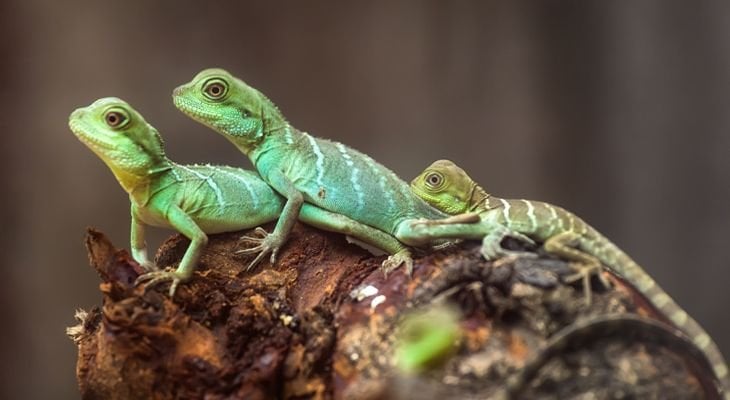
People with limited living quarters may find that reptiles such as lizards or turtles fit perfectly into their lifestyles. Before deciding on a reptile, learn as much as possible about them and their needs. Poisonous snakes and certain reptiles should never be kept as pets. Ask your veterinarian about the suitability of a particular animal before you make your decision. There are many things to consider before committing to a reptile as a pet.
Finding out if a Pet is Legal Where You Live
Many areas have enacted laws pertaining to keeping reptiles. Some are general and some are quite specific; in many places any reptiles that are considered dangerous (venomous snakes, alligators, etc.) are illegal but some places are even more restrictive (for example, in some states all constricting snakes including ball pythons are illegal).
Salmonella Risks and Prevention
All reptile owners need to be informed about Salmonella infections. While the risks shouldn't keep most people from keeping reptiles since with the proper management the risks are minimal. Still, owners should be aware of the risks, and the US Centers for Disease Control recommends that certain risk groups should be careful about contact with reptiles and amphibians.
The Importance of Light and Heat
Many problems with keeping reptiles can be traced back to not providing the proper environmental conditions, particularly heat. Proper lighting is also important for many reptiles. The equipment to provide the proper heat and light to captive reptiles is often quite expensive, but is absolutely essential to keeping pet reptiles healthy. It is important to find out exactly what conditions your reptile needs and never cut corners when it comes to meeting those conditions!
Why Choose Captive Bred Reptiles
There are numerous reasons why you should pick a captive bred reptile if at all possible, as explained here.
How to Pick a Healthy Reptile
It is important to keep in mind that depending on where you get a reptile, it may be very stressed, dehydrated, and prone to illness. Here are some items to look for when buying your reptile to increase the chances of picking out a healthy pet reptile.
While there are many types of reptiles that could be good pets, here we cover a few you could consider.
-
Why Pet Nutrition Matters
Category: Newsletter Library, Nutrition & Food
-
Nutrition Terms
Category: Newsletter Library, Nutrition & Food
As pets have become more important to their owners, what the pets are fed has become more important as well. Most pet owners are concerned about the quality and nutrition level of the food they are feeding their furry family members. There are now hundreds of pet foods available to the consumer. How
Read more -
Reading Pet Food Labels
Category: Newsletter Library, Nutrition & Food
When you visit the grocery or pet store, you can find hundreds, if not thousands, of kinds of dog and cat foods. The advertisements and marketing materials for each claims their food is the best. How can you decide what food to feed to your pet? Dedicated pet owners will attempt to read labels to help
Read more -
When Your Pet's Food Is Recalled
Category: Newsletter Library, Nutrition & Food
According to government regulatory agencies, there are three types of pet food recalls that can be issued. Recalls can be conducted by a company or brand, by request from the regulatory agencies, or by order from the government agency. When your pet's food has been recalled, you'll want to contact your
Read more -
What is in Your Pets' Food?
Category: Newsletter Library, Nutrition & Food
Every day we are besieged with pet food advertisements, in magazines, newspapers and on television. Tens, if not hundreds, of millions of dollars are spent per year trying to convince us that their pet food is the best. Who to believe? What is really in pet food? Is the pet food label helpful? A Chapman
Read more -
Why Your Guinea Pig Needs Vitamin C But Your Dog Doesn't
Category: Newsletter Library, Nutrition & Food
We all need to eat a complete and balanced diet. We feed our dogs and cats food developed by companies that study their nutritional needs, but if you study the list of ingredients, Vitamin C is not listed. When we prepare our own meals, we have to make sure we consume a source of Vitamin C such as orange
Read more -
Pet Food Allergies? The Rules for a Pet Food Trial Have Changed
Category: Newsletter Library, Nutrition & Food
Food allergies are common in dogs and cats. It usually manifests as itchy skin, chronic vomiting, or diarrhea. If you suspect that your pet may have a food allergy, you will need to investigate by performing a food trial. There are no intradermal skin tests or blood tests that are valid for determining
Read more -
Obesity in Dogs
Category: Newsletter Library, Nutrition & Food
Obesity is on the rise, and not just for humans. Dogs are increasingly overweight and even obese. In the United States, an estimated 43 million dogs are overweight or obese - that’s over half of all dogs! And it is not just dogs in the United States that need to lose a few pounds - canine obesity is
Read more
Schedule an Appointment
Testimonials
Newsletter Signup
Sign up for more articles
Contact Us
We look forward to hearing from you
Office Hours
Monday
9:00 am - 6:00 pm
Tuesday
9:00 am - 6:00 pm
Wednesday
9:00 am - 6:00 pm
Thursday
9:00 am - 6:00 pm
Friday
9:00 am - 6:00 pm
Saturday
10:00 am - 5:00 pm
Sunday
10:00 am - 5:00 pm
Monday
9:00 am - 6:00 pm
Tuesday
9:00 am - 6:00 pm
Wednesday
9:00 am - 6:00 pm
Thursday
9:00 am - 6:00 pm
Friday
9:00 am - 6:00 pm
Saturday
10:00 am - 5:00 pm
Sunday
10:00 am - 5:00 pm
Our Location
--mi
Address
99 Queen Street South
Tottenham, ON L0G1W0
Contact Information
905-936-6573
pynehills@gmail.com
